
 0
0
 0
0
Introduction: The Hidden Cost Behind Easy Returns
Online shopping has reshaped consumer expectations, particularly around convenience and flexibility. Features such as free returns, instant refunds, and no-questions-asked cancellations have become standard across many shopping apps. While these policies attract customers, they also introduce significant operational and financial challenges behind the scenes.
Each canceled order or returned package triggers a chain of logistical processes that extend far beyond the customer’s screen. From warehouse handling to transportation and restocking, these actions generate real costs that must be absorbed somewhere within the system. When items are shipped twice or returned after delivery, expenses often multiply rather than cancel out.
As online commerce continues to expand, platforms are under increasing pressure to balance customer satisfaction with operational sustainability. Understanding how shopping apps manage returns, refunds, and delivery losses reveals a complex ecosystem where convenience comes at a calculated price—and where someone always pays.
Why Returns Are So Common in Online Shopping
Returns have become a defining feature of modern online shopping. The inability to physically inspect products before purchase increases uncertainty, particularly for categories such as clothing, electronics, and household goods. Customers may receive items that do not meet expectations, fit improperly, or differ from product images, prompting return requests.
Shopping apps have also trained consumers to expect flexible policies. Generous return windows and free shipping reduce purchasing hesitation and encourage higher order volumes. While these strategies drive sales growth, they also normalize return behavior. In some cases, customers order multiple variations of a product with the intention of returning most of them, a practice often referred to as “bracketing.”
From a platform perspective, accommodating returns is a competitive necessity. Apps that impose restrictive policies risk losing customers to more flexible competitors. As a result, returns are not merely tolerated—they are strategically factored into business models, even though they significantly increase operational complexity and cost.
What Happens After a Cancellation or Refund Is Requested
When a customer cancels an order or requests a refund, the process initiates a series of coordinated actions. If the item has not yet shipped, the platform may stop fulfillment and issue a refund immediately. However, once an order enters the delivery pipeline, reversing it becomes more complicated.
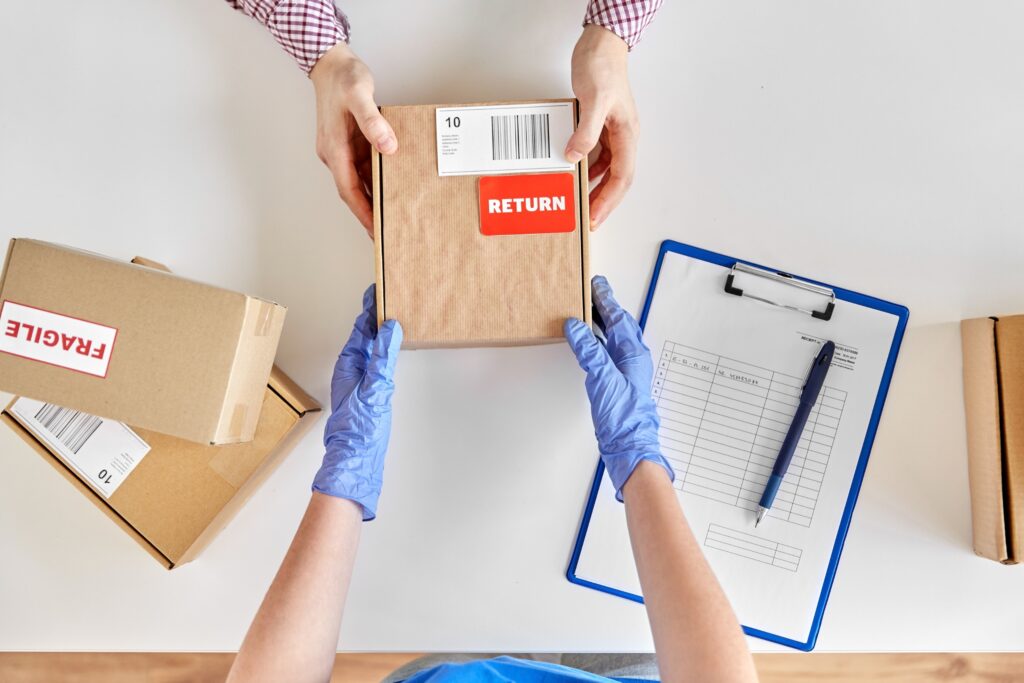
Returned items must be transported back to a warehouse or sorting facility, inspected, and either restocked, discounted, or discarded. Each step incurs labor and transportation costs. In some cases, items cannot be resold due to damage, hygiene concerns, or seasonal relevance, resulting in complete loss.
Refund timelines are often managed carefully to maintain customer trust. Platforms may issue refunds before returned items are processed, absorbing financial risk temporarily. This approach prioritizes customer satisfaction but increases short-term cash flow pressure, particularly during peak shopping periods with high return volumes.
Who Actually Pays for Double Delivery and Return Costs
While customers may experience returns as free, the associated costs are distributed across multiple parties. Shipping providers charge for both outbound and return deliveries, warehouse operators incur handling expenses, and platforms must manage refund processing. Over time, these costs accumulate significantly.
In many cases, platforms negotiate bulk shipping rates or absorb losses as part of customer acquisition strategies. Sellers, particularly small merchants, may also bear part of the burden through reduced margins or platform fees. The structure of ecommerce returns and refund management varies by platform, but the financial responsibility is rarely eliminated—it is redistributed.
Some platforms offset these expenses through higher product pricing, subscription programs, or service fees. Others implement return thresholds, restocking fees, or selective free-return policies. These measures aim to control abuse while preserving customer loyalty. Ultimately, the cost of convenience is built into the ecosystem, influencing pricing, seller participation, and long-term platform sustainability.
How Shopping Apps Are Adapting Their Return Policies
As return volumes increase, online shopping apps are refining their policies to manage costs more effectively. Data-driven systems now analyze customer behavior to identify excessive return patterns. In some cases, accounts may face stricter return conditions or limited refund options.
Platforms are also experimenting with alternative solutions. These include encouraging store credit over cash refunds, offering local drop-off points to reduce shipping costs, or allowing customers to keep low-value items while still receiving refunds. These approaches minimize logistics expenses while maintaining customer goodwill.
Technology plays a growing role in prevention. Enhanced product descriptions, sizing tools, and virtual try-on features help reduce mismatched expectations. By improving purchase accuracy upfront, platforms aim to lower return rates without restricting customer choice.
Returns, Trust, and the Long-Term Customer Relationship
Return policies significantly influence customer trust. Easy refunds signal confidence in product quality and platform reliability, encouraging repeat purchases. However, overly generous policies can strain operations and ultimately affect service quality.
Balancing flexibility with sustainability requires transparency. Platforms that clearly communicate return conditions help manage expectations while preserving trust. This approach aligns with the principles of an independent editorial reading experience, where clarity and intention matter more than superficial convenience.
As online shopping matures, platforms that manage returns responsibly are better positioned to maintain customer loyalty. Trust built through honest policies and consistent service becomes a competitive advantage that extends beyond individual transactions.
Conclusion: Convenience Comes With Calculated Costs
Returns, refunds, and cancellations are integral to modern online shopping, but they are far from cost-free. While customers benefit from flexibility, the financial and logistical burden is shared across platforms, sellers, and service providers. Shopping apps continuously adjust policies to balance convenience with sustainability, using data, technology, and strategic pricing to manage losses. As consumers become more aware of how these systems operate, expectations may shift toward more responsible purchasing behavior. In the long run, platforms that handle returns transparently and efficiently are more likely to build lasting trust while maintaining operational stability. Understanding who pays for returns reveals the careful calculations behind the seamless experience customers have come to expect.


