
 0
0
 0
0
Introduction: When Families Grow in More Than One Way
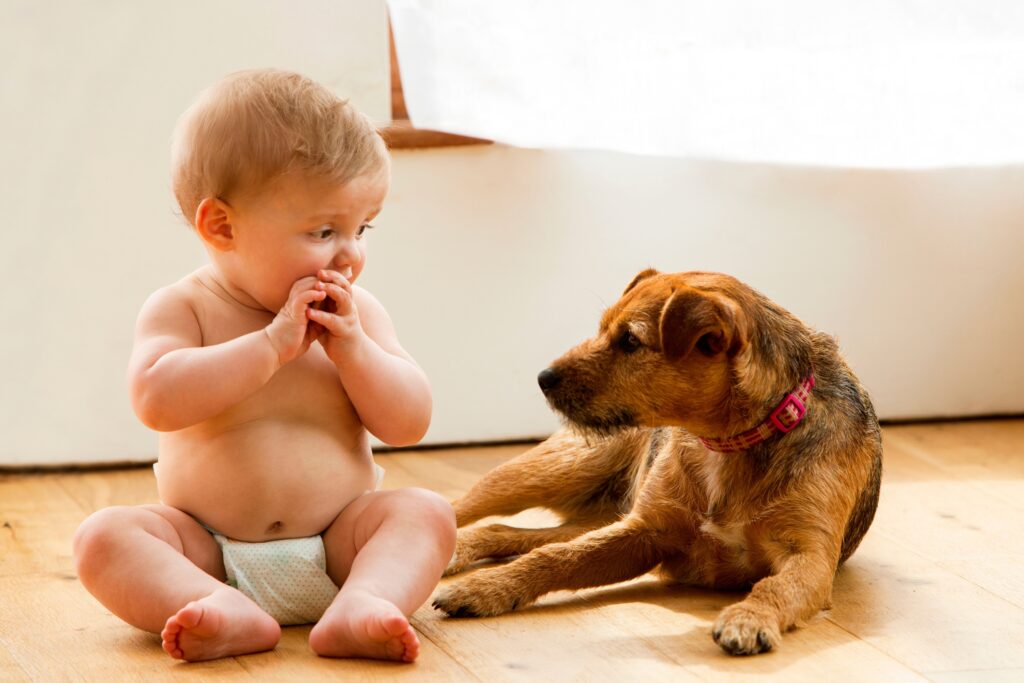
For many households, pets are already part of the family long before a baby arrives. Dogs and cats often occupy shared spaces, daily routines, and emotional bonds, making the transition to life with a newborn both joyful and complex. The idea of raising babies alongside pets is increasingly common, yet it naturally raises questions about safety, health, and long-term wellbeing.
While shared environments can offer meaningful benefits for children and animals alike, they also require thoughtful planning and supervision. Pets do not automatically understand new boundaries, and infants cannot communicate discomfort or danger. Balancing these realities requires awareness rather than fear.
Understanding the potential advantages, recognizing real risks, and applying practical safety measures allows families to create environments where children and pets can coexist positively. When approached responsibly, shared spaces can support healthy development and lasting bonds.
The Developmental Benefits of Growing Up With Pets
Growing up with pets can positively influence a child’s emotional and social development. Exposure to animals from an early age often encourages empathy, patience, and sensitivity to nonverbal communication. Children who interact with pets may develop a greater awareness of responsibility as they observe caregiving routines modeled by adults.
Research and observational studies frequently note that children raised alongside animals tend to show increased comfort with living beings outside their immediate family. Pets can become sources of emotional support, offering companionship during early developmental stages. For families, this bond often strengthens household connection rather than creating division.
Pets may also contribute to early sensory experiences. Sounds, textures, and movement introduce babies to varied stimuli in controlled environments. Over time, these interactions can foster curiosity and calm familiarity rather than fear. While pets are not substitutes for human relationships, their presence can enrich a child’s environment when interactions are managed thoughtfully.
Understanding the Risks of Shared Living Spaces
Despite potential benefits, shared spaces between babies and pets are not without risk. Animals, even well-trained ones, can react unpredictably to sudden movements, loud sounds, or unfamiliar smells. Babies, by nature, are unable to recognize danger or respect animal boundaries.
Health considerations also deserve attention. Pets may carry bacteria, parasites, or allergens that require proper hygiene management. Crawling infants are particularly vulnerable due to frequent hand-to-mouth behavior, making cleanliness essential in shared environments.
Behavioral risks must also be acknowledged. Stress in pets caused by changes in routine or attention can lead to anxiety or defensive behavior. Recognizing early signs of discomfort in animals helps prevent negative interactions before they escalate. Awareness, rather than avoidance, allows families to address risks constructively.
Preparing Pets Before a Baby Arrives
Preparation plays a crucial role in reducing tension when a baby enters the home. Gradual adjustments to routines, sleeping areas, and noise levels help pets adapt to change. Introducing baby-related items early allows animals to become familiar with new scents and objects before the baby arrives.
Training and reinforcement are equally important. Pets should understand basic commands and boundaries, especially regarding sleeping areas and feeding spaces. Establishing designated pet-only zones supports safe baby and pet cohabitation by reducing unsupervised interaction.
Equally critical is maintaining emotional stability for pets. Ensuring consistent attention, exercise, and positive reinforcement prevents feelings of neglect that could lead to behavioral issues. Preparation is not about restriction, but about creating predictability and security for all household members.
Creating Safe Shared Spaces After Birth
Once the baby is home, supervision becomes essential. Pets should never be left alone with infants, regardless of temperament or history. Physical barriers such as baby gates or playpens allow visibility without direct contact during early stages.
Hygiene routines should be reinforced consistently. Regular handwashing, cleaning pet bedding, and maintaining feeding areas reduce health risks. Teaching children respectful interaction as they grow further supports safety.
Shared spaces can be positive environments when structured intentionally. Over time, gradual exposure under supervision helps establish familiarity without forcing interaction. Safety is built through consistency rather than constant restriction.
Long-Term Coexistence and Mutual Respect
As children grow, relationships with pets naturally evolve. Toddlers learn boundaries, empathy, and responsibility through guided interaction. Pets, in turn, adapt to new household rhythms when supported appropriately.
Maintaining balance requires ongoing awareness. Changes in routine, growth stages, or pet health may require adjustments. This adaptive approach reflects the values of a responsible lifestyle editorial, where care, intention, and flexibility guide decisions.
When families commit to thoughtful coexistence, children and pets can develop respectful, enriching relationships that extend beyond early childhood.
Conclusion: Thoughtful Integration Builds Lasting Bonds
Raising babies alongside pets is neither inherently risky nor automatically beneficial—it is a shared journey shaped by preparation, awareness, and responsibility. While pets can contribute positively to a child’s development, safety and supervision remain essential at every stage. By recognizing risks, preparing animals in advance, and maintaining structured shared spaces, families create environments where trust and comfort grow naturally. Long-term success depends on ongoing observation and adaptation rather than fixed rules. When approached thoughtfully, shared living spaces allow children and animals to develop mutual respect, creating meaningful bonds that enrich family life for years to come.


